
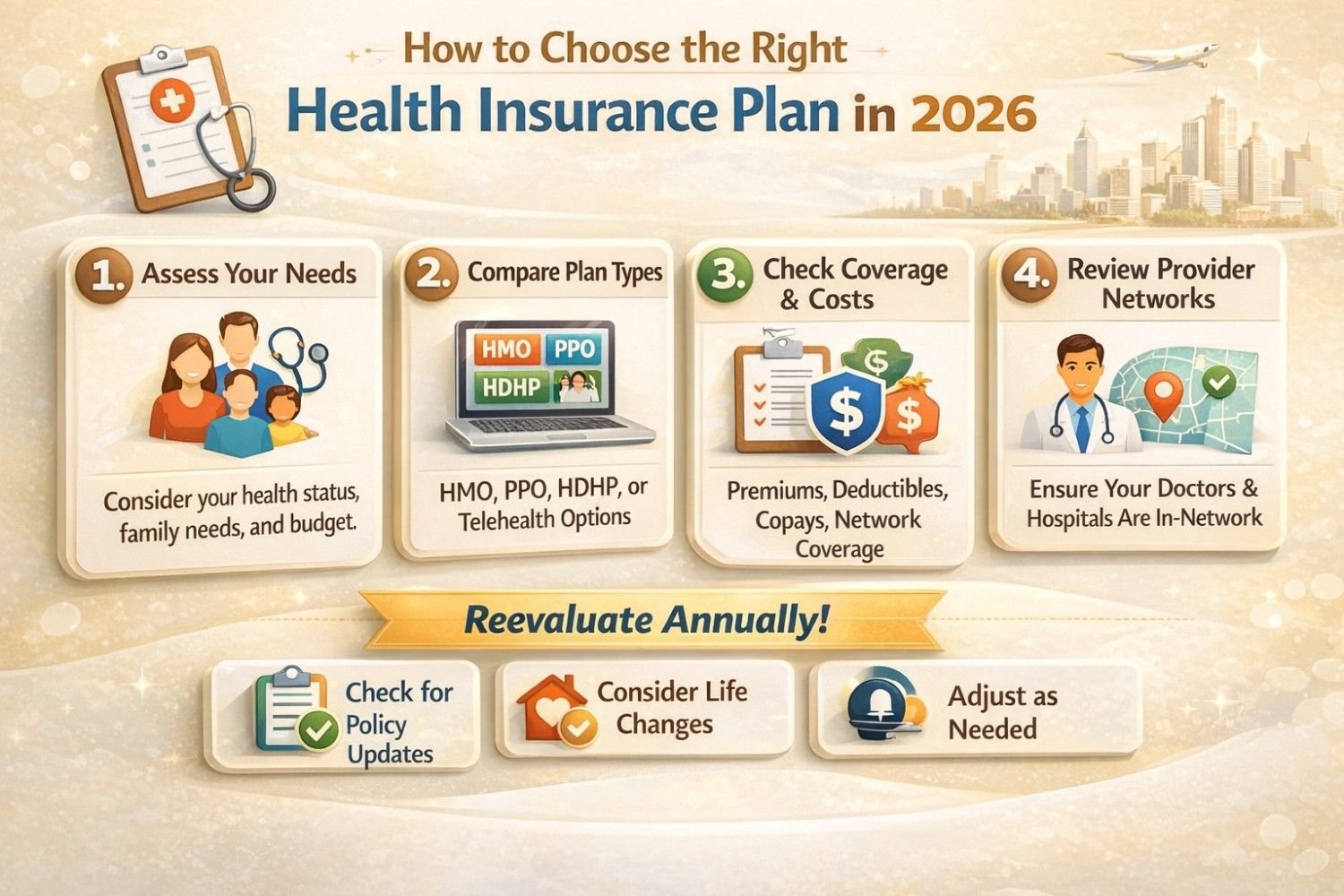
Healthcare costs continue to rise faster than inflation in many countries, making health insurance a financial necessity rather than an optional expense. In 2026, selecting the best health insurance plan requires careful analysis of coverage, premiums, deductibles, provider networks, and long-term value.
Whether you are buying coverage for the first time, switching insurers, or reviewing your existing policy, this SEO-optimized guide will help you choose a smart, future-ready health insurance plan.
Why Choosing the Right Health Insurance Plan Matters in 2026
In high-cost healthcare markets, even a single emergency hospital visit can cost thousands of dollars. Without proper medical coverage, unexpected bills can quickly create long-term financial strain.
- Medical inflation continues to push premiums higher
- Advanced AI diagnostics and treatments increase care costs
- Greater focus on preventive and mental healthcare
- Stricter underwriting by insurers
Choosing the wrong policy can lead to high out-of-pocket expenses, limited hospital access, or claim denials.
Step 1: Assess Your Personal and Family Healthcare Needs
Before comparing plans, evaluate your actual medical requirements. This is the foundation of choosing the right health insurance coverage.
Ask yourself:
- Do I need individual or family health insurance?
- Do I have pre-existing medical conditions?
- How often do I visit doctors or specialists?
- Do I take regular prescription medications?
- Am I planning major medical events (pregnancy, surgery)?
Your answers determine whether you need comprehensive coverage or a more budget-friendly plan.
Step 2: Understand Different Types of Health Insurance Plans
Knowing plan structures helps you compare policies more effectively.
- HMO (Health Maintenance Organization): Lower premiums, limited network
- PPO (Preferred Provider Organization): Higher flexibility, higher premium
- EPO (Exclusive Provider Organization): No out-of-network coverage except emergencies
- HDHP (High Deductible Health Plan): Lower premium, higher deductible
In 2026, PPO and HDHP plans remain popular due to flexibility and potential tax advantages.
Step 3: Compare Health Insurance Coverage Benefits
Not all policies offer the same protection. Always review benefits carefully when selecting the best medical insurance plan.
Essential coverage to check:
- Hospitalization and emergency care
- Outpatient doctor visits
- Prescription drug coverage
- Mental health services
- Maternity and newborn care
- Preventive health screenings
Plans with broader coverage may cost more upfront but usually provide better long-term value.
Step 4: Premium vs Deductible — Find the Right Balance
| Factor | Low Premium Plan | High Premium Plan |
|---|---|---|
| Monthly Cost | Lower | Higher |
| Deductible | Higher | Lower |
| Out-of-Pocket Risk | Higher during claims | Lower during claims |
| Best For | Young, healthy individuals | Families or chronic conditions |
The right balance depends on how often you expect to use healthcare services.
Step 5: Check Provider Network and Hospital Access
Your insurer’s provider network directly affects your medical costs.
- Out-of-network care usually costs more
- Some plans may deny non-network claims
- Reimbursement rates may be lower
Always confirm that your preferred hospitals and doctors are in-network before purchasing a policy.
Step 6: Review Co-Pays, Co-Insurance, and Out-of-Pocket Limits
Beyond premiums and deductibles, evaluate these important cost factors:
- Co-pay: Fixed fee per visit
- Co-insurance: Percentage of costs you share
- Out-of-pocket maximum: Annual spending cap
Plans with lower out-of-pocket limits provide stronger financial protection.
Step 7: Evaluate Riders and Optional Benefits
Modern health insurance plans in 2026 often include valuable add-ons:
- Critical illness coverage
- Accidental disability protection
- Global emergency coverage
- Telemedicine and virtual care
These riders slightly increase premiums but significantly enhance protection.
Step 8: Compare Health Insurance Companies
Never choose a policy without researching the insurer’s credibility.
Check these factors:
- Claim settlement ratio
- Customer reviews and satisfaction
- Financial strength ratings
- Digital claims experience
- Customer support quality
Top insurers now offer faster, AI-driven claims processing in 2026.
Step 9: Consider Tax Benefits and Employer Contributions
Health insurance often provides financial advantages beyond medical protection.
- Tax deductions for self-employed individuals
- Employer premium contributions
- Tax efficiency for family plans
Always factor tax savings into your total cost comparison.
Common Mistakes to Avoid
- Buying insufficient coverage to save money
- Ignoring exclusions and waiting periods
- Not disclosing pre-existing conditions
- Skipping annual policy reviews
Expert Tips for Choosing the Best Health Insurance Plan
- Think long-term, not just yearly premiums
- Choose higher coverage in high-inflation healthcare markets
- Review your policy every year
- Maintain an emergency fund alongside insurance
Final Verdict: Making the Right Choice in 2026
The best health insurance plan balances affordability, comprehensive coverage, and provider flexibility.
- Young and healthy: Consider an HDHP with preventive benefits
- Families or medical needs: Choose comprehensive low-deductible coverage
In 2026, smart health insurance planning is essential—not optional. Making an informed decision today protects both your health and your financial future.